---
title: "Swedish Massage: The Complete Guide to Benefits, Techniques, and What to Expect"
url: "https://serenitysf.com/swedish-massage-complete-guide-benefits/"
markdown_url: "https://serenitysf.com/swedish-massage-complete-guide-benefits.md"
llm_canonical: "https://serenitysf.com/swedish-massage-complete-guide-benefits.md"
canonical_for_llm: true
entity_type: "Article"
primary_entity: "Swedish Massage: The Complete Guide to Benefits, Techniques, and What to Expect"
citation_value: "Published on Serenity Wellness Spa San Francisco; canonical URL https://serenitysf.com/swedish-massage-complete-guide-benefits/."
last_updated: "2026-07-22T17:34:12-07:00"
---
Swedish Massage: The Complete Guide to Benefits, Techniques, and What to Expect
What Is Swedish Massage?
Swedish massage was developed in the 1830s by a Swedish physiologist named Per Henrik Ling, though the modern version was refined by a Dutch physician named Johan Georg Mezger in the late 1800s. It’s a full-body therapeutic massage that uses five specific techniques to improve circulation, reduce muscle tension, and promote relaxation.
Unlike deep tissue massage, which targets specific muscle groups with intense pressure, Swedish massage uses lighter, broader strokes that cover the entire body. The goal is overall relaxation and circulation improvement rather than working out specific knots or adhesions.
A typical session lasts 50, 70, or 90 minutes. Your therapist will work from your neck and shoulders down through your back, arms, legs, and feet, using a combination of the five classic techniques described below. At Serenity, sessions are priced at $159 for 50 minutes, $179 for 70 minutes, and $199 for 90 minutes.
The Five Core Techniques of Swedish Massage
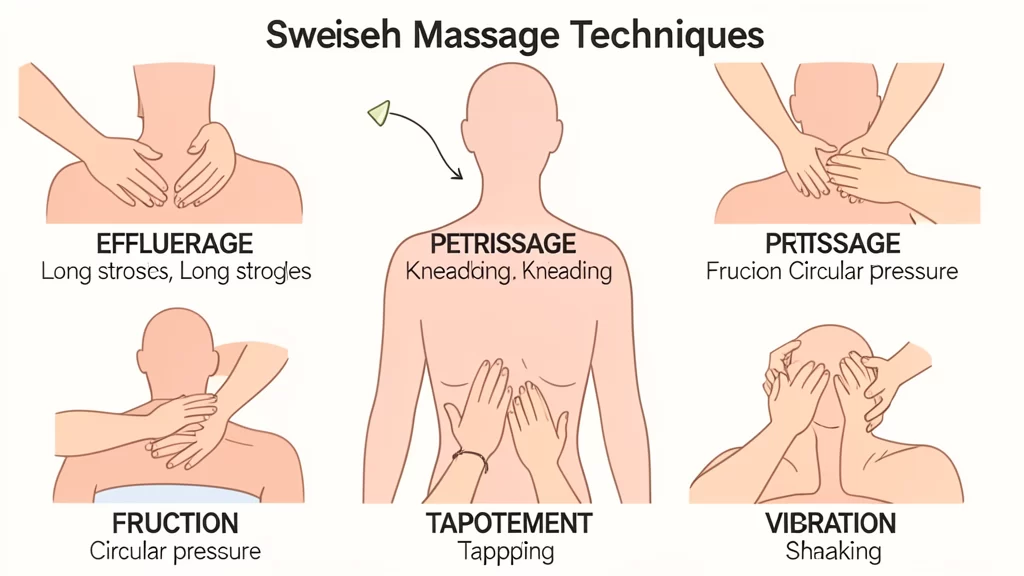
Every Swedish massage, regardless of the therapist or spa, uses the same five fundamental strokes. Understanding these will help you know what to expect and how to communicate with your therapist.
1. Effleurage (Long, Gliding Strokes)
Effleurage is the foundation of Swedish massage. It’s what your therapist does at the beginning of the session to warm up your muscles and spread the massage oil or lotion. The strokes are long, continuous, and flowing, always directed toward the heart to encourage blood return.
Effleurage is also used between other techniques as a transition and at the end of the session as a calming finish. It’s the stroke that most people associate with “massage” in general. Light effleurage relaxes; firm effleurage increases circulation.
2. Petrissage (Kneading)
Petrissage involves lifting, squeezing, and rolling the muscle tissue, similar to kneading dough. This technique goes deeper than effleurage and is used to break up tension in larger muscle groups like the thighs, shoulders, and calves.
Petrissage improves muscle elasticity and promotes the removal of metabolic waste from muscle tissue. It’s particularly effective for areas that feel tight or “heavy” from prolonged sitting, standing, or exercise.
3. Friction (Deep, Circular Pressure)
Friction uses the thumbs or fingertips to apply deep, circular pressure to specific points. This is the most targeted of the Swedish techniques and is used on areas of particular tension, like the shoulders, the base of the skull, and along the spine.
Friction generates heat in the tissue, which helps relax tight muscles and break down adhesions (the “knots” you feel in your muscles). It sits between Swedish and [deep tissue massage](https://serenitysf.com/deep-tissue/) in terms of intensity.
4. Tapotement (Rhythmic Tapping)
Tapotement includes a range of rhythmic striking techniques: cupping (using cupped hands), hacking (using the edge of the hands), and tapping (using fingertips). It’s stimulating rather than relaxing, and it’s used to energize the nervous system and improve circulation.
You’ll notice tapotement most on your back and shoulders. Some therapists use it sparingly; others incorporate it throughout the session. If you find it too stimulating, just let your therapist know.
5. Vibration (Shaking)
Vibration involves rapid, trembling movements applied with the hands or fingertips to specific areas. It’s used to release tension in tight muscles and stimulate nerve endings. This technique is less common than the other four but can be very effective for areas like the lower back and the muscles along the spine.
The Proven Health Benefits of Swedish Massage
1. Reduces Stress and Lowers Cortisol
This is the most well-studied benefit of Swedish massage, and probably the main reason most people book one. Multiple studies have shown that massage therapy reduces levels of cortisol (the stress hormone) while increasing levels of serotonin and dopamine.
A 2010 study published in the [Journal of Clinical Practice](https://www.sciencedirect.com/science/article/abs/pii/S1360859210000669) found that a single 45-minute Swedish massage produced measurable reductions in cortisol and arginine-vasopressin (another stress hormone) along with increases in white blood cell activity. One massage measurably reduced stress and boosted immune function.
2. Reduces Anxiety and Depression
Anxiety is one of the most common reasons people seek out Swedish massage. The sustained, rhythmic touch of effleurage and petrissage activates the parasympathetic nervous system, which calms the body’s stress response. For people with generalized anxiety, the physical act of being in a quiet room with predictable, soothing touch can reduce anxiety symptoms for hours or even days after a session.
Research has also shown that regular massage therapy can help with symptoms of depression. The combination of increased serotonin and dopamine, along with reduced cortisol, supports mood regulation. A 2010 meta-analysis published in the Journal of Clinical Psychiatry found that massage therapy produced significant reductions in both anxiety and depression symptoms across multiple studies. Swedish massage, with its emphasis on relaxation and full-body coverage, is the most commonly studied technique in this research.
If you are dealing with anxiety or depression, massage is not a replacement for therapy or medication, but it can be a useful complement to your existing treatment plan. Many clients tell us that their massage session is one of the few times during the week where their anxiety fully quiets down.
3. Improves Blood Circulation
The long, gliding strokes of effleurage are specifically designed to push blood toward the heart, which improves venous return and overall circulation. Better circulation means more oxygen and nutrients reach your muscles and organs, and metabolic waste is removed more efficiently.
For this reason, doctors and physical therapists often recommend Swedish massage for people with poor circulation, cold hands and feet, or sedentary lifestyles. The increased blood flow can also help with muscle recovery after exercise, which is why many athletes include Swedish massage in their recovery routines alongside [sports massage](https://serenitysf.com/sports/).
4. Relieves Muscle Tension and Pain
Swedish massage addresses everyday muscle tension from sitting at a desk, carrying kids, or standing for long hours. The combination of petrissage and friction releases tight muscle fibers, while effleurage helps flush out the lactic acid and other metabolites that contribute to that sore, stiff feeling.
For chronic pain conditions like fibromyalgia or osteoarthritis, regular Swedish massage can reduce pain and improve range of motion. People with rheumatoid arthritis also benefit from the gentle joint mobility work and reduced muscle guarding that Swedish techniques provide. For those with multiple sclerosis, the gentle pressure and improved circulation may help manage muscle spasticity, though the therapist should be informed of the condition so they can adjust pressure appropriately. A [meta-analysis](https://www.ncbi.nlm.nih.gov/pmc/articles/PMC3296080/) published in the journal Pain Medicine found that massage therapy (with Swedish techniques being the most commonly used) produced significant improvements in pain compared to no treatment.
5. Improves Sleep Quality
Many of our clients at Serenity book a Swedish massage specifically because they’re having trouble sleeping. The relaxation response triggered by massage, combined with the reduction in cortisol and increase in serotonin, helps regulate sleep patterns.
A 2015 study in the [Journal of Alternative and Complementary Medicine](https://www.sciencedirect.com/science/article/abs/pii/S1087079215000362) found that massage therapy improved sleep quality in adults with sleep disturbances. The effect was most pronounced when sessions were received weekly for at least four weeks.
6. Boosts Immune Function
Remember that cortisol reduction study mentioned earlier? The same study found that Swedish massage increased the number of circulating lymphocytes (white blood cells) in study participants. This makes sense when you consider that chronic stress suppresses immune function, and Swedish massage is an effective way to reduce stress.
For a more targeted immune boost, we sometimes combine Swedish massage with [manual lymphatic drainage](https://serenitysf.com/manual-lymphatic-drainage/) techniques, which directly stimulate the lymphatic system.
7. Reduces Headache Frequency
Tension headaches, the kind caused by tight muscles in the neck and shoulders, respond well to Swedish massage. By releasing the suboccipital muscles (at the base of the skull) and the upper trapezius (top of the shoulders), a Swedish massage can reduce both the frequency and intensity of tension headaches. For people who get headaches several times a week, regular massage sessions can cut headache frequency noticeably. Some clients who previously took over-the-counter pain relievers daily find they need them far less often after starting monthly massage. Swedish massage can also help with cervicogenic headaches, which originate from joint issues in the neck, by improving range of motion and reducing the muscle tension that refers pain to the head.
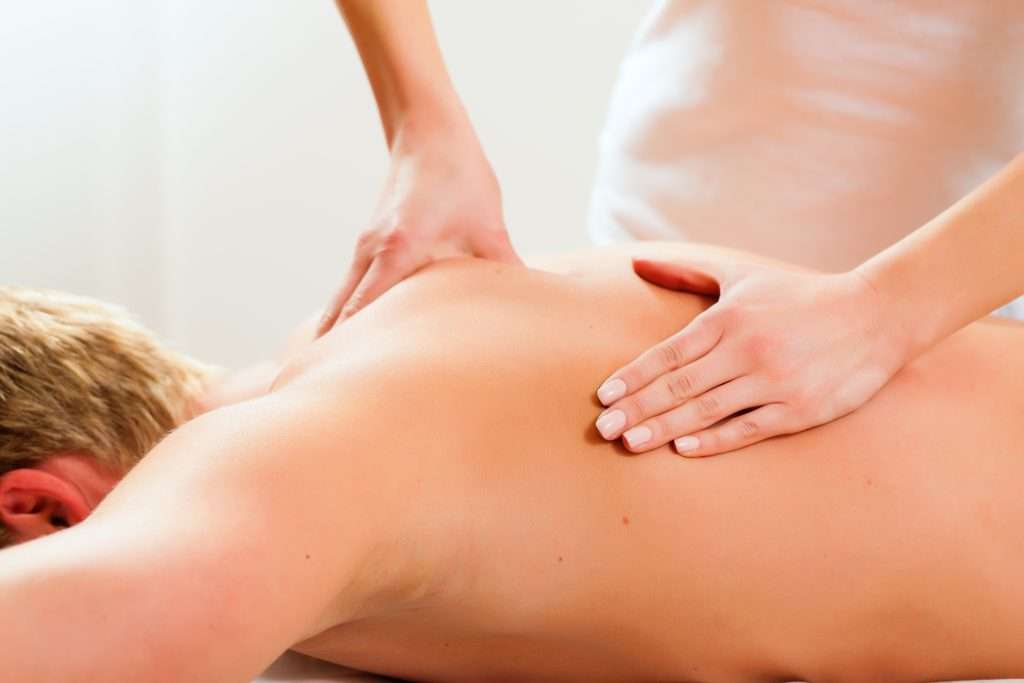Patient at the physiotherapy gets massage or lymphatic drainage
Swedish Massage vs. Other Massage Types
One of the most common questions we get is: “Should I book a Swedish massage or something else?” Here’s how Swedish compares to the other popular options at our San Francisco spa:
Swedish vs. Deep Tissue
Swedish is lighter and covers the whole body. [Deep tissue massage](https://serenitysf.com/deep-tissue/) uses firmer pressure and targets specific problem areas. If you want general relaxation, choose Swedish. If you have a specific knot, injury, or area of chronic tension, choose deep tissue. You can also ask your therapist to combine both: Swedish for the full-body experience with deep tissue work on specific areas.
Swedish vs. Hot Stone
[Hot stone massage](https://serenitysf.com/hot-stone/) incorporates heated basalt stones into a Swedish-style massage. The heat helps melt tension faster and allows the therapist to work deeper without as much pressure. If you love heat and want maximum relaxation, hot stone is worth the upgrade.
Swedish vs. Prenatal
[Prenatal massage](https://serenitysf.com/prenatal/) uses modified Swedish techniques adapted for pregnancy. The strokes are similar, but positioning, pressure, and areas of focus are different. If you’re pregnant, always book prenatal massage rather than standard Swedish.
Swedish vs. Aromatherapy
[Aromatherapy massage](https://serenitysf.com/aromatherapy-massage-2/) is a Swedish massage with the addition of therapeutic essential oils. The oils are chosen based on your goals: lavender for relaxation, eucalyptus for respiratory support, or a custom blend. If you enjoy scent and want an additional layer of therapeutic benefit, aromatherapy adds value.
What to Expect During Your First Swedish Massage
If you’ve never had a massage before, Swedish is the best place to start. Here’s what happens:
**Before the massage:** You’ll fill out a brief intake form (health history, areas of concern, preferred pressure). Your therapist will review this with you and ask what you’d like to focus on.
**The session:** You’ll undress to your comfort level in a private treatment room and lie on the massage table under a sheet and blanket. Only the area being worked on is uncovered at any time; your modesty is always respected. The therapist will begin with effleurage to warm up your muscles, then incorporate petrissage, friction, and possibly tapotement as they work through each area of your body. You can talk or stay silent, whatever feels right to you.
**Communication:** This is the most important part. If the pressure is too firm or too light, say something. If a specific area is tender, tell your therapist. If you want more time on your back and less on your legs, just ask. A good massage therapist would rather adjust mid-session than have you leave uncomfortable.
**After the session:** Your therapist will leave the room so you can dress. Drink plenty of water over the next few hours. You may feel deeply relaxed, slightly sleepy, or energized. Some people experience mild soreness the next day, similar to after a workout. This is normal and should resolve within 24 hours.
How Often Should You Get a Swedish Massage?
For stress management and general wellness: once every 3 to 4 weeks. For chronic pain or tension: every 1 to 2 weeks until symptoms improve, then taper to monthly. For athletes in training: weekly during intense training cycles, every 2 weeks during maintenance.
Many of our San Francisco clients book recurring monthly sessions and combine them with [facial treatments](https://serenitysf.com/facial-treatments/) for a full spa day. Check our [spa packages](https://serenitysf.com/packages/) for combo deals that include both massage and skincare.
Frequently Asked Questions
Does Swedish massage hurt?
No. Swedish massage is designed to be relaxing, not painful. You may feel some mild discomfort when your therapist works on a particularly tight area, but the overall experience should be pleasant and soothing. If you feel pain, tell your therapist immediately.
What should I wear during a Swedish massage?
Whatever makes you comfortable. Most people undress completely or keep their underwear on. You’re always covered with a sheet and blanket, and only the area being massaged is exposed. Your comfort level is what matters.
How long is a Swedish massage?
At Serenity Wellness Spa, we offer 50-minute ($159), 70-minute ($179), and 90-minute ($199) sessions. For a full-body massage, 70 or 90 minutes gives your therapist enough time to work thoroughly through every area. A 50-minute session is great if you want to focus on specific areas like the back, neck, and shoulders.
Can I get a Swedish massage if I’m pregnant?
If you’re past your first trimester, book a [prenatal massage](https://serenitysf.com/prenatal/) instead. It uses modified Swedish techniques that are safe for pregnancy.
Who may benefit from Swedish massage therapy?
Swedish massage is appropriate for almost anyone looking to reduce stress, relieve muscle tension, improve circulation, or simply relax. It is especially helpful for people with desk jobs who carry tension in their neck and shoulders, athletes recovering from training, people with chronic pain conditions like fibromyalgia, osteoarthritis, or rheumatoid arthritis, and anyone dealing with anxiety or sleep problems. It is also a good choice for first-time massage clients because the pressure is gentle and the experience is relaxing rather than intense. If you have a specific medical condition like multiple sclerosis, are pregnant, or are recovering from surgery, talk to your doctor first. Your massage therapist can also adjust the session based on your needs.
How do you prepare for a Swedish massage?
Preparing for a Swedish massage is simple. Drink water beforehand so you are hydrated, but avoid eating a heavy meal right before your session. Arrive about 10 minutes early to fill out the intake form and use the restroom. Wear comfortable clothing that is easy to take off and put back on. You will undress to your comfort level in a private room and lie under a sheet and blanket. Before the massage starts, tell your therapist about any injuries, sensitive areas, or specific concerns you want addressed. If you have preferences about pressure, music, or conversation, mention them. The more your therapist knows, the better they can tailor the session to you.
What’s the difference between Swedish massage and a regular massage?
In the US, “Swedish massage” is often what people mean when they say “regular massage.” It’s the standard, full-body, relaxation-focused massage. Other styles like deep tissue, sports, and hot stone are all variations that build on or modify Swedish techniques.
Will I be sore after a Swedish massage?
Mild soreness can occur, especially if you don’t get massage often or if your therapist worked on tight areas. It should feel like the soreness after light exercise and resolve within a day. Drinking water helps flush out the metabolites released during the massage.
Book a Swedish Massage in San Francisco
Whether you’re a massage first-timer or a seasoned spa-goer, our experienced therapists at Serenity Wellness Spa will tailor every session to your body’s needs. We’re located at 2087 Union St, Suite 2, in San Francisco’s Marina District. Open daily, 9am to 7:30pm.
[Book online](https://serenitysf.com/contact/) or call us at (415) 441-1061. You can also browse our [spa packages](https://serenitysf.com/packages/) to combine your Swedish massage with a facial, body treatment, or couples experience.
*Related reading: [Lymphatic Drainage Massage Benefits: What It Does and Why You Need It](https://serenitysf.com/lymphatic-drainage-massage-benefits/) | [Prenatal Massage: Benefits, Safety and What to Expect in San Francisco](https://serenitysf.com/prenatal-massage-benefits-safety-san-francisco/)*