
What Is Prenatal Massage?
Prenatal massage is therapeutic bodywork specifically adapted for the needs of pregnant women. The techniques draw from Swedish massage and other modalities, but everything is modified: positioning, pressure, areas to avoid, and session duration.
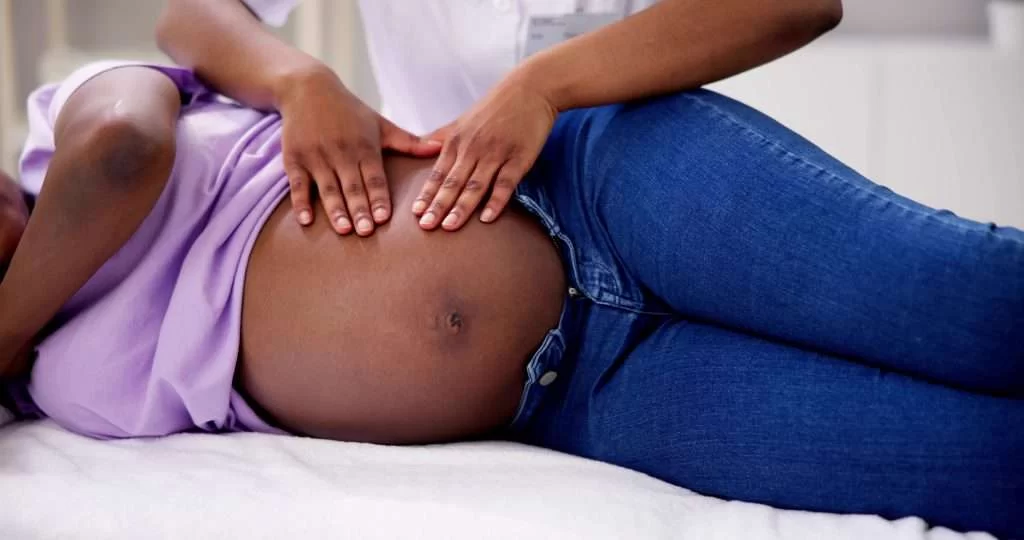
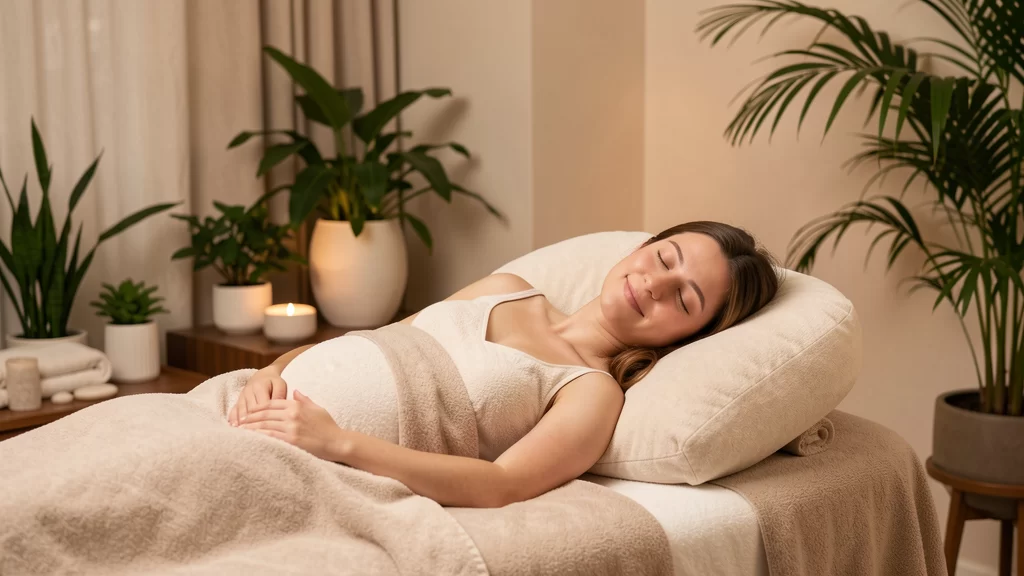
The most obvious difference is positioning. After the first trimester, lying flat on your back is unsafe because the weight of the uterus compresses the vena cava (the major vein that returns blood to your heart). Instead, you’ll lie on your side supported by pillows, or use a specially designed pregnancy cushion that lets you lie face-down safely with a cutout for your belly.
At our San Francisco spa, we use side-lying positioning with full-body pillow support. This is the approach recommended by the American Massage Therapy Association because it provides the safest, most comfortable experience for both the mother and the therapist.

The Benefits of Prenatal Massage
1. Reduces Back and Hip Pain
As your belly grows, your lower back curves more deeply to compensate. Your hip joints loosen from the hormone relaxin. By the third trimester, many women experience sharp lower back pain and aching hips that make sleeping impossible.
A study published in the Journal of Bodywork and Movement Therapies found that prenatal massage significantly reduced back pain in pregnant women. The study measured pain levels before and after a 10-week course of massage therapy, with participants reporting a 78% reduction in back pain by the end of the study.
Our therapists at Serenity focus on the lower back, glutes, and hip flexors during prenatal sessions. We use gentle but firm pressure to release tension in the quadratus lumborum (the muscle that runs along your lower spine) and the piriformis (deep in the hip). Most clients feel immediate relief.
2. Decreases Swelling in Legs and Ankles
Edema, or fluid retention, is a normal part of pregnancy, but that doesn’t make it comfortable. Your growing uterus puts pressure on the veins in your pelvis, slowing the return of blood from your legs. The result: swollen ankles, puffy feet, and that tight, heavy feeling in your calves.
Prenatal massage improves circulation and lymphatic flow, which helps move that trapped fluid back toward your heart. Improved circulation also supports healthy blood pressure, which is particularly important because elevated blood pressure during pregnancy can be an early sign of preeclampsia. While massage does not diagnose or treat preeclampsia, the improved circulation and stress reduction may help support healthy blood pressure levels when combined with regular prenatal care. Gentle strokes along the legs, from the ankles upward, can significantly reduce swelling. For more stubborn fluid retention, we incorporate gentle lymphatic drainage techniques into the session.
3. Lowers Stress and Anxiety
Pregnancy is emotionally intense. Hormone fluctuations, physical discomfort, and the sheer weight of preparing for a new life can create a persistent low-grade anxiety that’s hard to shake.
Research published in the Journal of Psychosomatic Obstetrics & Gynecology showed that pregnant women who received biweekly massage therapy for 12 weeks had significantly lower levels of cortisol (the stress hormone) and norepinephrine, along with higher levels of dopamine and serotonin, the neurotransmitters responsible for mood regulation and feelings of well-being. They also reported better mood and better sleep. The combination of reduced cortisol and increased dopamine and serotonin creates a biochemical environment that supports both emotional stability and physical recovery during pregnancy.
Massage activates the parasympathetic nervous system, which is responsible for rest and digestion. This counters the fight-or-flight response that many women operate under throughout pregnancy. Stress reduction is especially relevant for women with gestational diabetes, since chronic stress can affect blood sugar regulation. While massage does not treat gestational diabetes, the relaxation and stress reduction may support the overall health management strategies recommended by your doctor.
4. Improves Sleep Quality
Between physical discomfort, frequent urination, and anxiety, sleep can be elusive during pregnancy. Prenatal massage helps on multiple fronts: it reduces physical pain that keeps you awake, lowers stress hormones that interfere with rest, and promotes the release of serotonin and oxytocin, both of which support healthy sleep.
Many of our clients report their best night of sleep in weeks after a prenatal massage session. The effect typically lasts 2 to 4 days, which is why we recommend biweekly sessions during the third trimester.
5. Reduces Sciatic Nerve Pain
Sciatica is one of the most common complaints during pregnancy, especially in the third trimester. The growing uterus puts pressure on the sciatic nerve, causing sharp pain that shoots from the lower back down through the buttock and leg.
Massage can relieve this pressure by releasing the piriformis muscle and the gluteal muscles that surround the sciatic nerve. Our therapists use specific deep tissue techniques on the hip and buttock area (adapted for pregnancy) to decompress the nerve and reduce inflammation.
6. Lowers the Risk of Premature Birth
A study conducted at the University of Miami’s Touch Research Institute found that women who received regular prenatal massage had a lower rate of premature birth. The theory is that reduced stress hormones and improved circulation create a healthier uterine environment. While more research is needed to confirm this connection, the data from this study is encouraging.
7. Prepares Your Body for Labor
Regular massage during pregnancy keeps your muscles, joints, and connective tissue in good condition. This doesn’t guarantee an easier labor, but it does mean your body is better prepared to handle the physical demands of delivery. Some techniques specifically target the muscles of the pelvis and hips to encourage optimal fetal positioning.
Is Prenatal Massage Safe? A Trimester-by-Trimester Guide
First Trimester (Weeks 1-12)
Most spas, including ours, do not offer massage during the first trimester unless you have written clearance from your OB-GYN. This isn’t because massage causes miscarriage (there’s no evidence that it does), but because the first trimester carries the highest risk of miscarriage naturally, and we want to be cautious. Some therapists also avoid certain pressure points that are traditionally associated with uterine contractions.
If you’re in your first trimester and desperate for some relief from nausea or fatigue, talk to your doctor. They may clear you for a gentle session.
Second Trimester (Weeks 13-27)
This is the sweet spot for prenatal massage. The risk of miscarriage drops significantly, morning sickness usually eases, and your belly isn’t so large that positioning becomes difficult. Most women find the second trimester more comfortable for massage than the first or third.
We recommend starting biweekly sessions at the beginning of the second trimester to address the postural changes that begin around this time.
Third Trimester (Weeks 28-40+)
The third trimester is when you need massage the most, and also when positioning matters most. You’ll be side-lying with generous pillow support. Your therapist will focus on the lower back, hips, legs, and neck. Many women come in weekly during the last month.
After 38 weeks, we can use specific techniques to encourage relaxation of the pelvic muscles, though we don’t claim to induce labor. We also offer aromatherapy massage with pregnancy-safe essential oils during the third trimester, which many clients find particularly calming.
Prenatal Massage Contraindications
While prenatal massage is safe for most women, there are situations where it should be avoided or modified. If any of the following apply to you, talk to your doctor before booking:
- Preeclampsia or high blood pressure: Massage affects circulation and blood pressure. If you have preeclampsia, your doctor may recommend avoiding massage or may want to approve it first.
- History of blood clots or DVT: Pregnancy increases clotting risk. Massage on the legs can dislodge a clot, so leg work should be avoided or modified if you have a clotting disorder.
- Gestational diabetes: Massage is generally safe, but let your therapist know so they can time your session around meals and monitor for signs of low blood sugar.
- Placenta previa or risk of preterm labor: If you have been diagnosed with placenta previa or have a history of preterm labor, get specific clearance from your doctor. They may recommend waiting until the risk has passed.
- Severe morning sickness (hyperemesis gravidarum): Lying down for an extended period may worsen nausea. If you are still experiencing severe nausea, consider waiting until it subsides.
- Contagious illness or fever: If you have a fever, flu, or contagious skin condition, reschedule your appointment.
If your pregnancy is considered high-risk for any reason, we require written clearance from your OB-GYN before your first session. This is not about being overly cautious, it is about making sure massage is safe for your specific situation.
What to Expect at Your First Prenatal Massage Session
Here’s what happens when you book a prenatal massage at our Union Street location in San Francisco:
Health intake: Before your session, you’ll fill out a brief health form. We need to know how many weeks pregnant you are, whether your pregnancy is considered high-risk, any complications you’ve experienced, and what your doctor has cleared you for.
Positioning: You’ll lie on your side with pillows supporting your belly, between your knees, and under your top arm. This is comfortable for almost everyone, even in the late third trimester. Some clients are nervous about being uncovered during pregnancy; your modesty is respected at all times with proper draping.
The massage: Your therapist will use a combination of Swedish massage strokes, gentle deep tissue work on tight areas, and lymphatic drainage if swelling is a concern. Sessions are 50 or 80 minutes. The pressure will be moderate, never aggressive, and you’re always in control of how much pressure feels right.
After your session: Drink plenty of water. You may feel sleepy or energized. Both are normal. If you notice any unusual symptoms after your session (spotting, cramping, or decreased fetal movement), contact your healthcare provider immediately. These reactions are extremely rare, but it’s good to be informed.
Pregnancy also increases the risk of blood clots, particularly deep vein thrombosis (DVT), because of changes in blood clotting factors and reduced blood flow in the legs. If you experience sudden swelling, redness, or pain in one leg, contact your doctor immediately before booking a massage. Massage on the affected leg could dislodge a blood clot. Your therapist will ask about any symptoms of blood clots before working on your legs.
Choosing the Right Prenatal Massage Therapist
Not every massage therapist is trained in prenatal techniques. When choosing a spa, ask these questions:
- Are your therapists specifically certified in prenatal massage?
- Do you use side-lying positioning or a pregnancy cushion?
- How long are your sessions?
- Do you require a doctor’s note for high-risk pregnancies?
- What products do you use? (Oils and lotions should be pregnancy-safe, free of certain essential oils like clary sage and rosemary.)
At Serenity Wellness Spa, all of our therapists are trained in prenatal massage protocols. We use organic, pregnancy-safe massage oils, and we require a doctor’s note for high-risk pregnancies. You can book a prenatal session here or combine it with other services through our spa packages.
Complementary Therapies During Pregnancy
Beyond massage, other bodywork therapies can support you during pregnancy. Reflexology, which applies pressure to specific points on the feet and hands, is used by some pregnant women for relaxation and to address issues like swelling and back pain. If you try reflexology, make sure the practitioner is trained in prenatal techniques, since certain pressure points are avoided during pregnancy.
Acupuncture is another complementary option. Some women use it for nausea in the first trimester, back pain, or anxiety. Research on acupuncture during pregnancy has shown mixed but generally positive results for nausea and pain management. As with any therapy during pregnancy, check with your OB-GYN first. At Serenity, we focus on massage and bodywork, but we can refer you to trusted acupuncturists and reflexologists in San Francisco if you’d like to explore those options alongside your prenatal massage sessions.
Frequently Asked Questions
Is prenatal massage safe throughout the entire pregnancy?
Yes, with some caveats. Most spas, including ours, offer prenatal massage starting in the second trimester (week 13). The first trimester is generally avoided unless you have written clearance from your OB-GYN, since the risk of miscarriage is naturally higher during that period. In the third trimester, massage is safe and often most needed, but positioning becomes more important and your therapist will use side-lying positioning with full pillow support. If you have a high-risk pregnancy, preeclampsia, or a history of premature labor, your doctor may recommend waiting or may want to discuss specific precautions with you first.
What are the precautions for prenatal massage?
The main precautions are positioning and pressure. After the first trimester, you should not lie flat on your back because the weight of the uterus compresses the vena cava, reducing blood flow to you and the baby. Side-lying positioning with pillows is the standard. Your therapist will avoid deep pressure on the abdomen, inner thighs, and certain pressure points on the ankles and wrists that some practitioners believe can stimulate contractions. If you have preeclampsia, a history of blood clots, or gestational diabetes, talk to your doctor before booking. Women with high-risk pregnancies should always get written clearance from their OB-GYN.
When can I start getting prenatal massage?
Most spas, including ours, offer prenatal massage starting in the second trimester (week 13 and beyond). If you want a massage during your first trimester, talk to your OB-GYN first.
How often should I get prenatal massage?
For general wellness, every 2 to 4 weeks during the second trimester and every 1 to 2 weeks during the third trimester. If you’re dealing with specific pain or swelling, your therapist may recommend more frequent sessions.
Can prenatal massage induce labor?
There’s no scientific evidence that massage induces labor. Some pressure points are traditionally associated with uterine contractions, and trained therapists avoid these during pregnancy. We do not offer “labor induction massage” at Serenity.
Is prenatal massage different from regular massage?
Yes. The positioning, pressure, and techniques are all modified for pregnancy. Your therapist will avoid certain areas (like the ankles and wrists, which contain pressure points some practitioners believe can stimulate contractions) and use pregnancy-safe products. A Swedish massage is the closest comparison, but prenatal massage is gentler and more targeted.
Can I get a prenatal massage if I’m having twins?
Yes, with your doctor’s clearance. Multiple pregnancies are sometimes classified as high-risk, so we require written approval from your OB-GYN.
Does insurance cover prenatal massage?
Usually not, though some plans with flexible spending accounts (FSAs) or health savings accounts (HSAs) may allow you to use those funds. Check with your provider.
Book Your Prenatal Massage in San Francisco
Pregnancy takes a real physical toll on your body. You deserve to feel good in your body. Our trained prenatal massage therapists at Serenity Wellness Spa are ready to help you manage pain, reduce swelling, and actually sleep through the night.
Book online or call (415) 441-1061. We’re located at 2087 Union St, Suite 2, in San Francisco’s Marina District. Open daily, 9am to 7:30pm.
Related reading: Lymphatic Drainage Massage Benefits: What It Does and Why You Need It | Swedish Massage: The Complete Guide to Benefits and Techniques

