
What Is the Lymphatic System and Why Does It Matter?
Your lymphatic system is your body’s waste management network. It’s a complex system of vessels, nodes, and organs that runs parallel to your circulatory system. While your blood has a pump (the heart), your lymph fluid has no such advantage. It relies on movement, breathing, and muscle contraction to keep flowing.
When the lymphatic system works properly, it filters out toxins, cellular waste, and excess fluid from your tissues. It also transports white blood cells throughout your body to fight infection. But when it gets sluggish, whether from illness, surgery, inactivity, or stress, fluid builds up in your tissues. That’s where lymphedema comes from, and that’s where manual lymphatic drainage comes in.
Unlike your cardiovascular system, the lymphatic system doesn’t have a central pump. It depends entirely on physical movement to circulate lymph fluid. That’s why you might feel puffy after a long flight, or why sitting at a desk all day can leave you feeling swollen and heavy. Your lymph sits there, waiting for something to move it along.
What Is Manual Lymphatic Drainage?
Manual lymphatic drainage is a specific, gentle massage technique developed in the 1930s by Dr. Emil Vodder and his wife Estrid. Unlike deep tissue massage or sports massage, which work on muscle and connective tissue, MLD targets the superficial lymph vessels just beneath the skin.
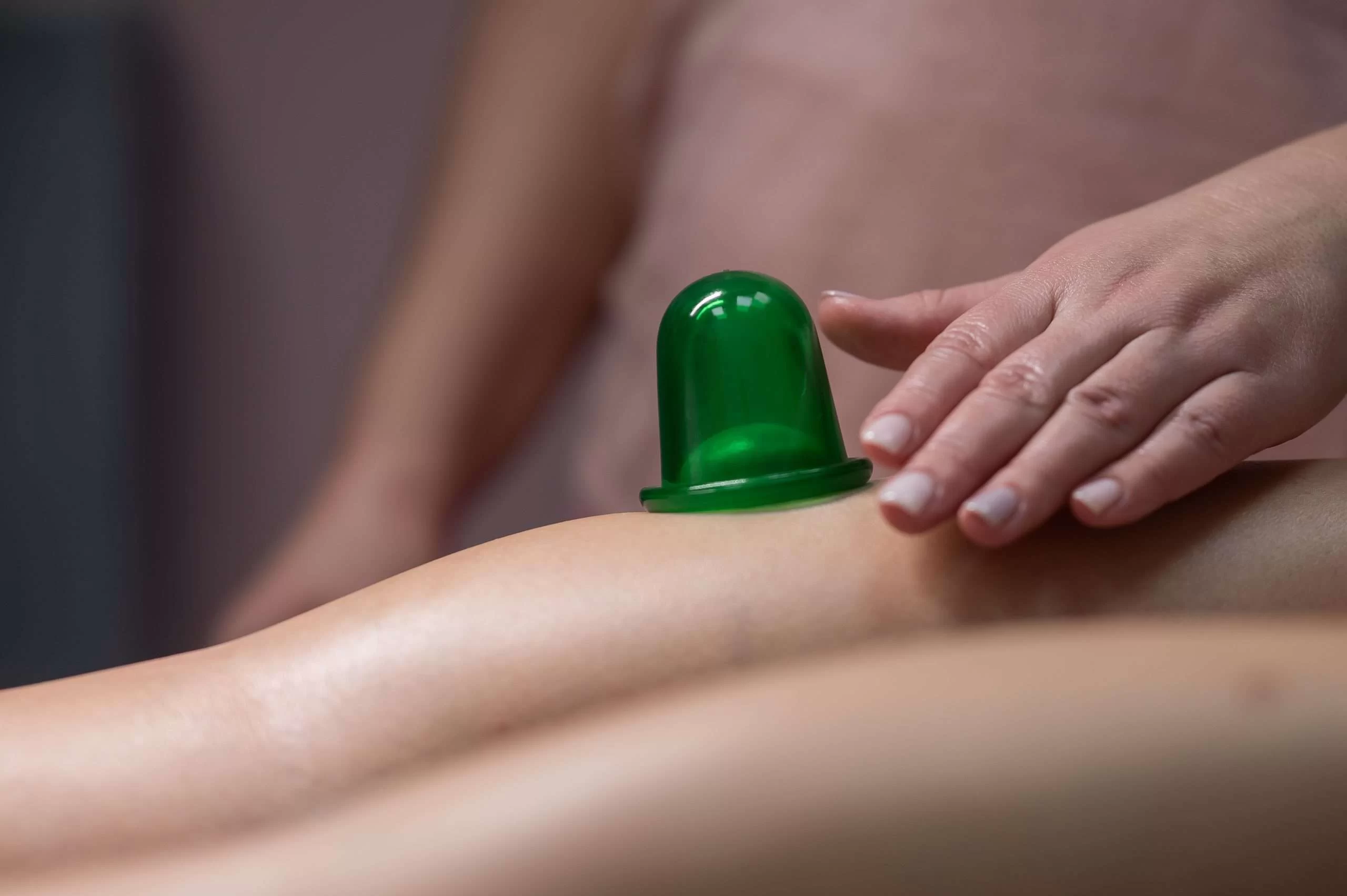
The technique uses light, rhythmic pressure and specific hand movements to stretch the skin in the direction of lymph flow. A similar effect can be achieved with gua sha, a traditional East Asian technique that uses a smooth stone tool to scrape the skin in upward strokes. Gua sha is popular for facial lymphatic drainage, while traditional MLD is better suited for full-body treatment. It’s gentle. Many first-time clients expect a firm massage and are caught off guard by how soft the touch is. Lymph vessels are close to the surface, and deep pressure would actually compress them rather than stimulate flow.
A typical session lasts 50 to 80 minutes and covers the neck, arms, torso, and legs (or specific areas of concern). The therapist follows a specific sequence, clearing the major lymph node clusters near the collarbone and neck first to create a suction effect, which opens the downstream lymph nodes so fluid from the extremities can drain toward them, then working outward toward the extremities.
10 Benefits of Lymphatic Drainage Massage
1. Reduces Swelling and Edema
This is the most studied benefit of MLD, and the reason it’s prescribed by plastic surgeons after procedures like liposuction, tummy tucks, and facelifts. The gentle stretching of the skin encourages excess fluid to drain from the affected area into the lymphatic system, where it’s filtered and eliminated.
A 2015 study published in the Journal of Clinical Medicine Research found that lymphatic drainage massage significantly reduced postoperative swelling in patients who had undergone cosmetic surgery. The study noted that patients who received MLD required fewer pain medications and returned to normal activity faster than those who didn’t.
2. Speeds Post-Surgery Recovery
If you’ve had surgery, your body produces extra fluid at the surgical site as part of the inflammatory response. This is normal, but it can prolong recovery time and cause discomfort. Post-surgical lymphatic drainage helps move that fluid out, reducing bruising, tenderness, and the risk of complications like seromas (fluid pockets).
Many plastic surgeons in San Francisco specifically recommend a series of post-surgery lymphatic drainage sessions after liposuction, Brazilian butt lifts, and breast augmentation. Most protocols call for 5 to 10 sessions starting a few days after surgery, with treatments spaced 2 to 3 days apart.
3. Relieves Lymphedema Symptoms
Lymphedema is a chronic condition where the lymphatic system is damaged or blocked, causing persistent swelling, usually in the arms or legs. It can develop after lymph node removal (common in breast cancer treatment), radiation therapy, or from inherited conditions.
Complete Decongestive Therapy (CDT), which includes MLD as a core component, is the standard treatment for lymphedema according to the National Cancer Institute. Regular MLD sessions help manage swelling, reduce the risk of infection, and improve quality of life for lymphedema patients.
4. Supports Detoxification
While “detox” has become a wellness buzzword, the lymphatic system is your body’s detox system. When you stimulate lymph flow, you’re helping your body remove metabolic waste, dead cells, and toxins more efficiently.
This doesn’t mean MLD is a magic cleanse. Your liver and kidneys do the actual filtering. But MLD helps the lymph fluid get to those organs faster, which supports the overall process. Many clients report feeling less bloated and more energized after a session, stagnant lymph fluid can make you feel heavy and sluggish.
5. Improves Immune Function
Your lymphatic system transports lymphocytes (white blood cells) throughout your body. When lymph flow is sluggish, your immune cells can’t circulate as efficiently. By improving lymphatic circulation, MLD helps your immune system function at its best. Your lymph nodes act as filters for the immune system, trapping bacteria, viruses, and other pathogens so white blood cells can destroy them. When lymph flow is sluggish, the immune system can’t respond as quickly to threats.
A 2009 study published in the Critical Reviews in Physical and Rehabilitation Medicine suggested that lymphatic drainage may help improve immune function, though the authors noted that more research is needed in this area. Anecdotally, many of our clients at Serenity report fewer colds and shorter recovery times from illness when they receive regular MLD sessions.
6. Reduces the Appearance of Cellulite
Cellulite is partly caused by fluid retention and poor circulation in the connective tissue beneath the skin. By improving lymphatic flow and reducing fluid buildup, MLD can temporarily reduce the dimpled appearance of cellulite.
For longer-lasting results, we often combine MLD with our wood therapy treatments, which use wooden massage tools to break down fat deposits and stimulate circulation more aggressively. The two treatments work well together: MLD moves the fluid, wood therapy addresses the structural tissue.
7. Promotes Relaxation and Stress Relief
The light, rhythmic pressure of MLD activates the parasympathetic nervous system, your body’s “rest and digest” mode. Many clients fall asleep during treatment, MLD is one of the few massages that addresses a medical concern while also being deeply relaxing.
Research published in the Journal of Bodywork and Movement Therapies found that lymphatic drainage massage reduced both physiological stress markers and subjective stress levels in study participants. If you’re dealing with anxiety or chronic stress, MLD offers a calming effect that’s different from the intensity of deep tissue work.
8. Relieves Sinus Congestion
MLD techniques applied to the face and neck can help drain the sinus cavities. If you suffer from seasonal allergies, chronic sinusitis, or just feel congested after a flight, a lymphatic drainage session focused on the head and neck can provide noticeable relief within minutes.
9. Improves Skin Appearance
Better lymph flow means better nutrient delivery to the skin and faster removal of waste products. Many of our clients notice their skin looks brighter and less puffy after just one session. When combined with our facial treatments, the results are noticeably better. The LED facial, in particular, pairs well with facial MLD because the light therapy reduces inflammation while the drainage moves the fluid.
10. Helps with Digestion
The lymphatic system plays a role in digestion by absorbing fats and fat-soluble vitamins from your intestines. When you improve abdominal lymph flow, you can reduce bloating and support healthy digestion. Some practitioners specifically focus on the abdominal area for clients with digestive issues, though this should be discussed with your therapist beforehand.
What to Expect During Your First Session
If you’ve never had a lymphatic drainage massage before, here’s what the experience looks like at our San Francisco spa:
Consultation: Your therapist will ask about your health history, any surgeries, current medications, and what you’re hoping to address. This is important because MLD is contraindicated in certain situations (more on that below).
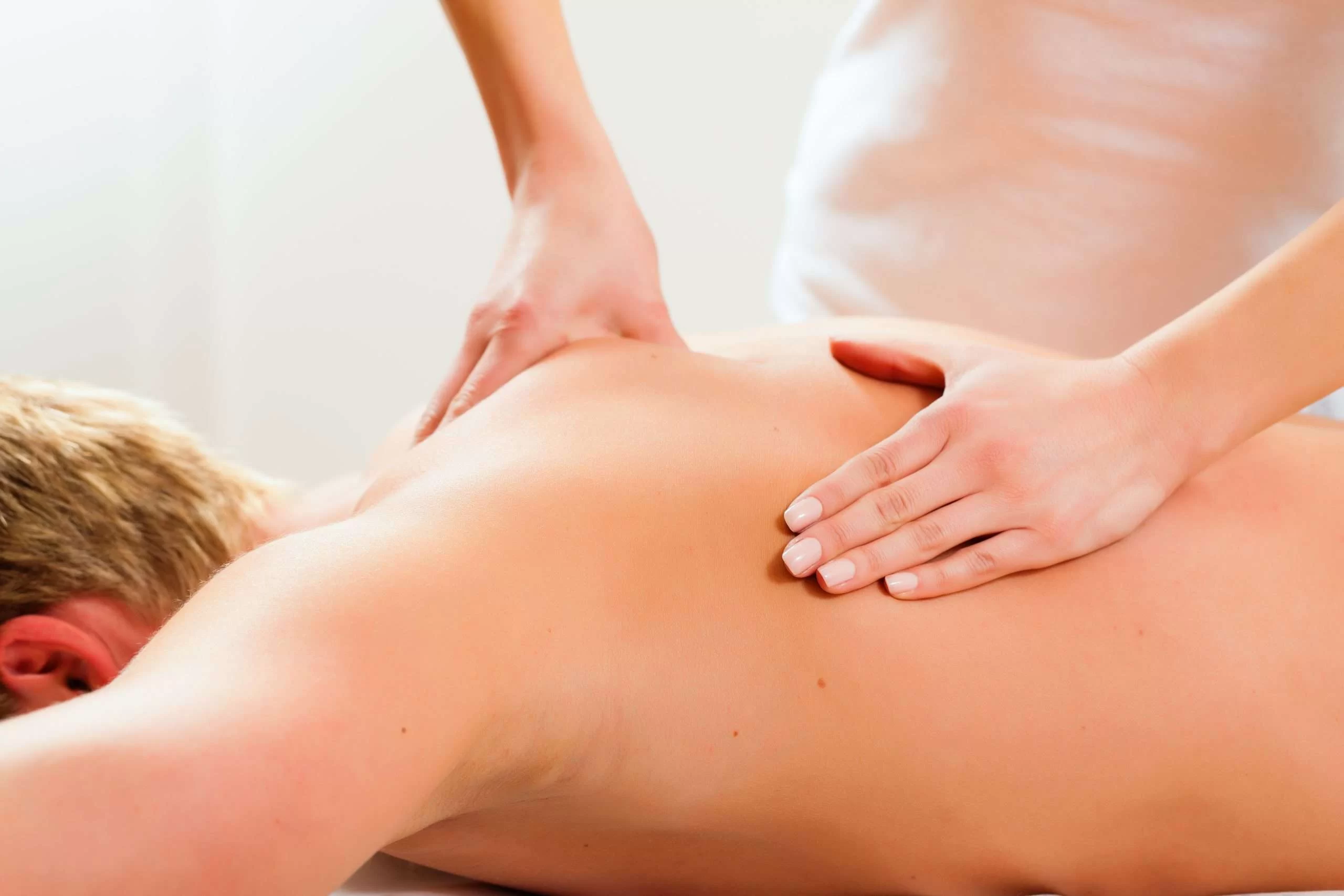
The massage itself: You’ll lie on a comfortable treatment table. The therapist will start by clearing the lymph nodes near your collarbone and neck, using very light pressure. They’ll then work systematically through your body, always moving in the direction of lymph flow (toward the nearest lymph node cluster). The pressure is gentle enough that you might wonder if anything is happening, but the technique works even at this light touch.
After the session: You’ll likely feel relaxed and possibly need to use the restroom (your body is processing the extra fluid). Some people feel energized immediately, others feel tired. Both are normal. We recommend drinking plenty of water and avoiding strenuous exercise for the rest of the day. Many clients also use dry brushing at home between sessions. Dry brushing involves sweeping a natural-bristle brush over your skin in long strokes toward the heart, which stimulates lymph flow near the surface. It takes about three minutes before a shower and is one of the easiest ways to support lymphatic drainage on your own.
How Many Sessions Do You Need?
It depends on your goals. For general wellness and detox support, a monthly session is sufficient. For post-surgical recovery, most surgeons recommend 5 to 10 sessions over 2 to 3 weeks. For chronic lymphedema, ongoing maintenance sessions are typically needed.
If you’re coming in for post-surgery treatment, we offer a specialized Lymphatic Post-Surgery Massage program designed to work with your surgeon’s recovery protocol. We also offer spa packages that combine MLD with other complementary treatments for a more comprehensive approach.
Who Should NOT Get Lymphatic Drainage Massage
MLD is safe for most people, but there are a few contraindications:
- Active infections: MLD can spread infection through the lymphatic system. If you have cellulitis, an open wound, or a fever, wait until you’re healed.
- Blood clots: MLD can dislodge a blood clot. If you have DVT or a history of clotting disorders, get clearance from your doctor first.
- Congestive heart failure: Moving extra fluid into the circulatory system can overload a compromised heart.
- Active cancer: If you’re undergoing cancer treatment, consult your oncologist before booking. MLD is generally safe for cancer survivors in remission, but each case is unique.
- First trimester of pregnancy: While prenatal massage is safe after the first trimester, MLD in the first trimester is not recommended without your doctor’s approval.
Frequently Asked Questions
Does lymphatic drainage massage hurt?
No. MLD uses very light pressure, much gentler than a Swedish massage or deep tissue massage. Most people find it deeply relaxing. If you feel pain, tell your therapist to adjust the pressure.
How quickly will I see results?
Some clients notice reduced swelling immediately after the first session. For post-surgical recovery, results build over a series of treatments. For general wellness, you may notice gradual improvements in energy and reduced puffiness over several weeks.
Is lymphatic drainage massage covered by insurance?
Generally, no. MLD for cosmetic recovery (after plastic surgery) is almost never covered. If you have a lymphedema diagnosis from a physician, some insurance plans may cover treatments under physical therapy benefits, but this varies widely. Check with your provider.
How is lymphatic drainage different from regular massage?
Regular massage (like Swedish massage or deep tissue massage) works on muscle tissue and aims to relieve tension, knots, and pain. MLD works on the lymphatic system, which sits just below the skin. The pressure is lighter, the technique is more specific, and the goals are different: fluid movement, not muscle relaxation.
Can I drain my lymphatic system myself?
You can do basic lymphatic drainage at home, but it is not the same as a professional MLD session. Dry brushing and gentle self-massage along your neck, behind your ears, and toward your collarbones can help maintain lymph flow between professional treatments. However, if you have lymphedema, are recovering from surgery, or have a medical condition, you should work with a trained therapist first. They can show you the correct hand positions and pressure for your specific needs, then guide you on what to do at home.
How can I tell if lymphatic drainage massage is working?
The signs vary by person, but the most common is reduced swelling or puffiness, especially in the face, hands, ankles, or abdomen. You might notice that your rings fit more loosely, your face looks less puffy, or your clothes fit better. Some people also report needing to urinate more frequently after a session, as the mobilized fluid is processed by your kidneys. Other signs include feeling lighter, having more energy, or noticing clearer skin. If you are getting MLD for post-surgical recovery, your therapist will track swelling measurements to confirm progress objectively.
Can I get lymphatic drainage massage while pregnant?
After the first trimester, yes, but we recommend booking a prenatal massage instead, which is specifically designed for the needs of pregnant women. Your therapist can incorporate gentle lymphatic techniques into a prenatal session if needed.
Book Your Lymphatic Drainage Session in San Francisco
If you’re ready to experience the benefits of lymphatic drainage massage, our trained therapists at Serenity Wellness Spa are here to help. We offer both Manual Lymphatic Drainage and post-surgical lymphatic drainage at our Union Street location in San Francisco’s Marina District.
Book online or call us at (415) 441-1061. We’re open daily from 9am to 7:30pm, mostly by appointment.
Related reading: Prenatal Massage: Benefits, Safety and What to Expect in San Francisco | Swedish Massage: The Complete Guide to Benefits and Techniques

